
1. Power button: turns the device on or off
2. Digital display: shows the remaining time
3. Lock symbol: indicates that the device is locked to prevent accidental operation
4. Battery symbol: shows the remaining battery level
5. B indicator: Bone & Joint mode
6. M indicator: Muscle mode
7. MODE button: switches between operating modes
8. TIME button: sets the session duration
9. Type-C charging port: connects the charging cable and charges the device


OsteoVitalis®OsteoVitalis FreeHip
Near-infrared therapy for pets - to support comfort and relieve stress on the hip and knee joints
The dual wavelengths 808 nm and 850 nm activate the mitochondria and support the body's natural inflammation-regulating and pain-relieving processes in dogs and cats.
For daily use at home - targeted light therapy for acute support and long-term companion care.
Especially soothing for older dogs and cats with persistent joint discomfort
 Einmal Kaufen.Langfristig einsetzen
Kostenloser Versand innerhalb Deutschlands · inkl. MwSt.
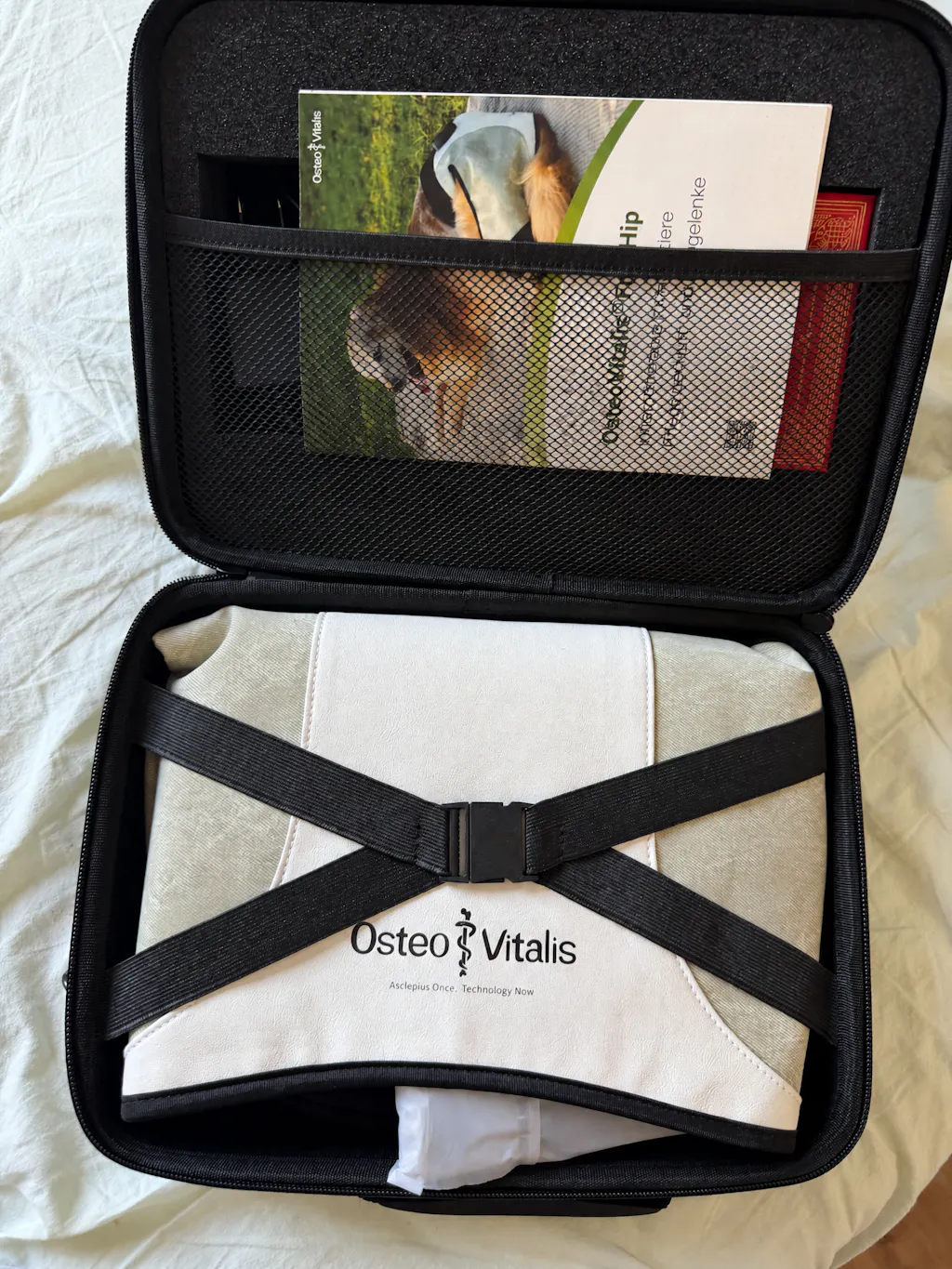
Lieferumfang

OsteoVitalis® FreeHip

Battery

Power adapter (with cable)

Bedienungsanleitung
Touch-Bedienung

Technische Daten

Zertifizierungen


OsteoVitalis FreeHip

Try risk-free for 14 days

2 Jahre Herstellergarantie

Secure shopping & buyer protection

CE-compliant & quality tested

Free shipping
within Germany
within Germany

Instalment payment available (Klarna/PayPal)
Does this sound familiar with your senior dog?
- Difficulty getting up
- Stiffness after resting, with a longer warm-up period
- Avoiding stairs, cars or sofas
- Shorter walks and a slower pace than before
- Noticeably greater sensitivity in cold or damp weather

Many older dogs are not "suddenly lazy" - they adapt. Changes in joints and muscles often show up first in everyday life: movements become slower, steps more cautious and enthusiasm for activity declines.
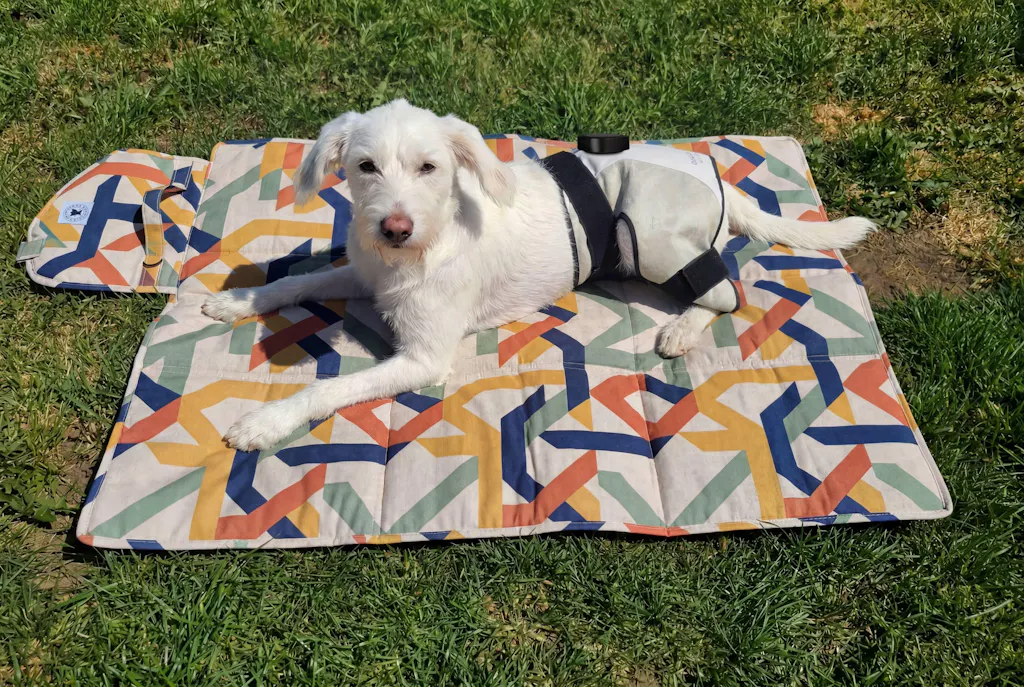
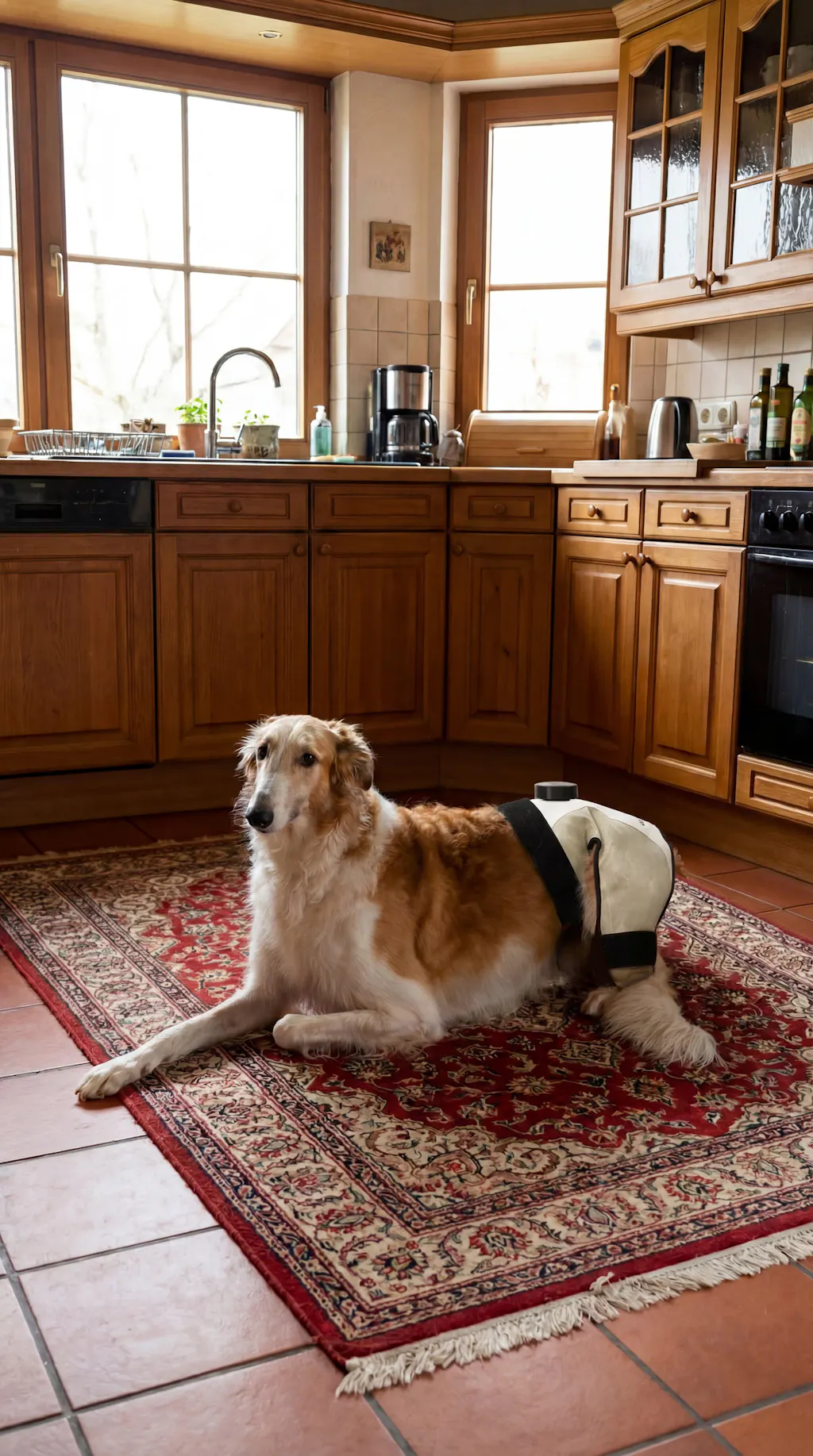
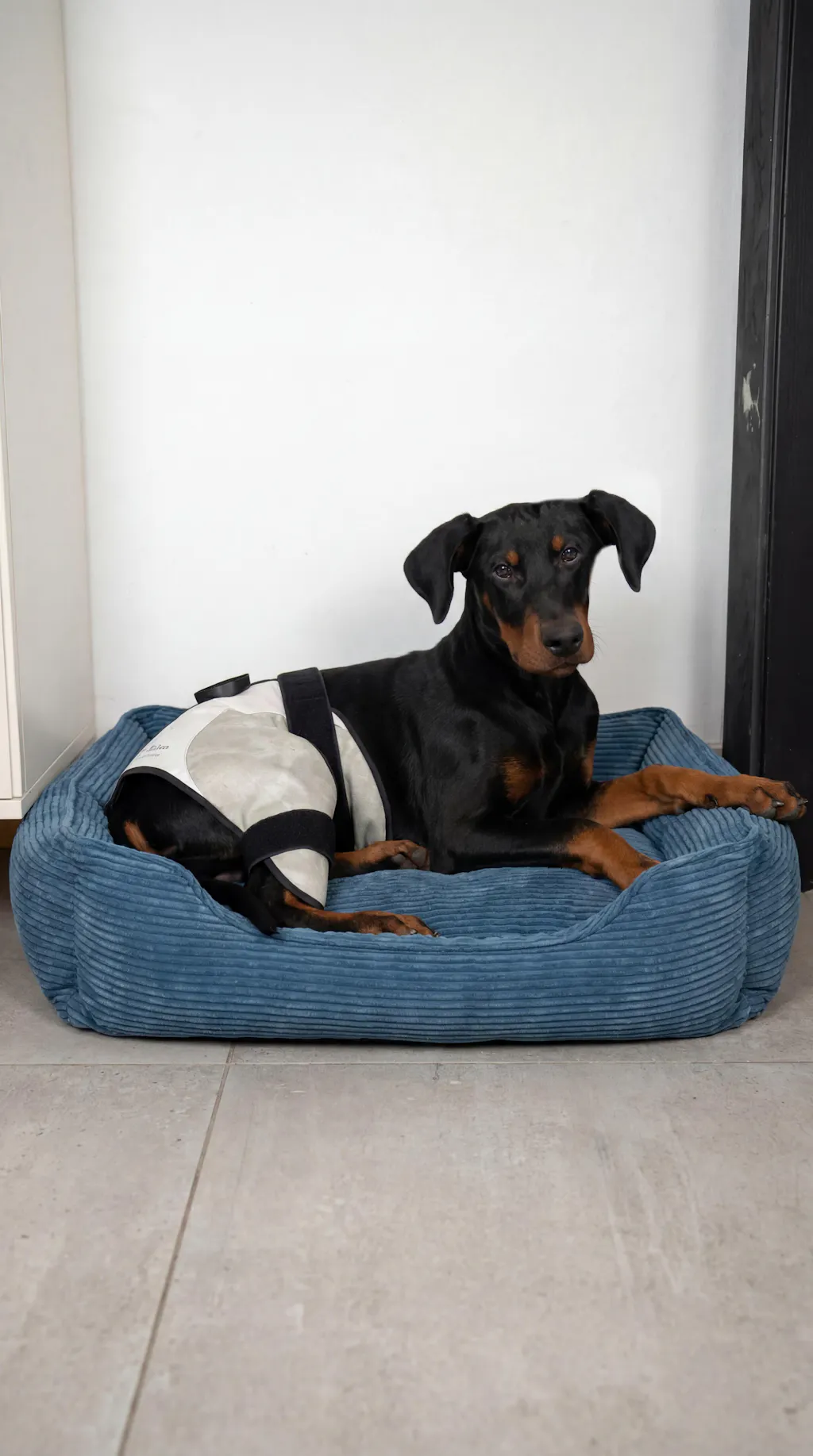
FreeHip is used especially for larger dogs whose hips and knees are often affected by overload in senior age. It is also ideal for smaller dogs. As an everyday near-infrared therapy solution, FreeHip can be used for regular support: it may help ease osteoarthritis-related discomfort and relieve stress on the hip and knee joints.
Quality of life in old age starts with better mobility.
FreeHip supports your dog in everyday life
For regular support and prevention, and as companion care when symptoms are present

For breeds with a genetic predisposition

For sport and working dogs

For senior dogs with degenerative joint changes

During post-operative recovery

For ligament, muscle and soft-tissue problems

For neurological findings (under professional guidance)

In dogs with naturally occurring elbow osteoarthritis treated with PBMT (10–20 J/cm²), PBMT significantly reduced pain scores and lameness and allowed a reduction in NSAID dose compared to placebo.
Looney, A. L., Huntingford, J. L., Blaeser, L. L., & Mann, S. (2018). A randomized blind placebo-controlled trial investigating the effects of photobiomodulation therapy (PBMT) on canine elbow osteoarthritis. The Canadian Veterinary Journal, 59(9), 959.

Comparison of applications
Conventional options
What makes OsteoVitalis different
Long-term medication (e.g. NSAIDs)
May become burdensome with longer-term use; regular checks and consultation with a veterinarian are often needed.
Drug-free and locally applied - easy to integrate into daily routines as a complement to veterinary care.
Monthly injection at the clinic (e.g. Librela/Solensia)
Possible individual reactions; longer-term use may require treatment adjustments; some animals find injections stressful; costs can add up over time.
Non-invasive, gentle and well tolerated; usable at home and easy for pets to accept. Long-term costs remain easy to plan.
Laser therapy in practice (veterinarian/animal physiotherapist)
A course of treatment involves several sessions and can be stressful for some animals; it depends on appointments and is therefore less flexible. Costs can also add up significantly over multiple visits.
Reusable - the cost per use is under €1. Flexible use without appointments in familiar everyday surroundings, with less stress for the pet.
OsteoVitalis FreeHip does not replace medical treatment and should be used as supportive care within a comprehensive therapy plan.
"Is near-infrared therapy suitable for my pet?"
Your benefits with OsteoVitalis FreeHip

Precise positioning and optimal light dosage
OsteoVitalis offers two wavelengths (808 nm and 850 nm) that can be flexibly combined to provide an optimal light dose and target the muscles and tissues around the joints.
Cordless for more freedom
Cordless use with an integrated power bank provides more everyday flexibility and allows use at home or on the go - without relying on power sockets. Simple and comfortable to use.


Einfache Touchscreen-Bedienung
The touchscreen design makes operation simple and user-friendly. Settings can be adjusted easily, making pet care quick and efficient.
The perfect fit for better effect
OsteoVitalis can be placed directly over the affected area, reducing light loss and maximising local absorption to improve treatment efficiency.

Who OsteoVitalis is not suitable for
-

Dogs and cats with tumours or malignant tumour disease
-

Dogs and cats with open wounds
-

Pregnant dogs and cats
-

Dogs and cats with oedema or haematoma
-

Dogs and cats with an implanted pacemaker or similar electronic medical device
-

Puppies and kittens whose skeleton is not yet fully developed and whose growth plates have not closed (usually under 12-18 months)




FAQ
Are there scientific studies or veterinary recommendations supporting this infrared therapy?
Yes, there is a scientific basis. The OsteoVitalis device uses photobiomodulation (PBM), sometimes called cold red light. It emits near-infrared (NIR) light at 808 nm and 850 nm, acting directly on the cells' "energy centres" - the mitochondria.
Animal and laboratory studies have found that red and near-infrared light can accelerate wound healing and support muscle recovery.
A similar principle has been used in human medicine for many years: low-level laser therapy (LLLT), which is regarded as a safe and effective physical therapy.
Numerous clinical studies and reviews confirm that red light therapy can support skin and musculoskeletal health. It may also help ease chronic inflammation and pain.
OsteoVitalis is therefore not "pseudoscience", but a drug-free, non-invasive and safe supportive therapy based on extensive basic research and clinical practice.
How long does it take to see results?
The time until effects become noticeable depends on the cause, severity and individual differences, as well as on the time PBM needs to trigger its cascade reactions in the body. Red and near-infrared light are mainly absorbed by chromophores such as cytochrome c oxidase. This supports ATP formation, nitric oxide signalling, reactive oxygen species signalling, inflammatory modulation and repair-related gene expression. Improvements therefore tend to build gradually rather than appear suddenly.
Acute or marked pain: Some animals may show functional improvement after one to two weeks, roughly five to ten applications, such as jumping onto the sofa again or moving more willingly. Post-operative or injury recovery often benefits from a higher-frequency phase of about six weeks, followed by maintenance.
Chronic conditions: In degenerative conditions such as osteoarthritis, most animals need three to six weeks of regular use before clearer improvement is seen. Consistent long-term use works best alongside weight management, joint-friendly exercise and veterinary-guided medication where needed.
Prevention and maintenance: PBM may support cellular repair, collagen synthesis and angiogenesis. Preventive effects require regular long-term use and do not replace routine veterinary care.
My dog has hip problems but the knees seem fine. Can I still use FreeHip?
Yes. The FreeHip illumination area covers the soft tissues and joint structures around the hip and knee. It can be used as supportive adjunct care on the symptomatic area and preventively on an asymptomatic area that does not yet show impairment. When hip problems cause compensatory overload, moderate exposure around the peripatellar muscles (around the kneecap) may help support stability.
Does OsteoVitalis affect how my pet's oral medication works?
In general, OsteoVitalis does not affect the action of oral medication, because photobiomodulation (PBM) works through cellular energy supply and tissue repair rather than hepatic (liver) or renal (kidney) pharmacokinetics. It therefore does not add to the medication burden and does not affect drug distribution. Because conditions and medications vary, always consult your veterinarian before combined use.
Scientific basis:
No metabolic interference: PBM at 808/850 nm stimulates mitochondrial ATP (adenosine triphosphate) formation and modulates inflammation without affecting liver or kidney metabolism. Direct conflicts with drug metabolism are not expected.
Potential synergy: Improved circulation and repair processes may support the effect of anti-inflammatory and pain-relieving medication.
Recommendations:
1. Tell your veterinarian about all medications.
2. If certain active substances cause light sensitivity, such as some antibiotics or antiepileptics, avoid direct exposure over affected areas.
3. Arrange regular follow-ups to assess response and monitor progress. In most cases, combining PBM with oral medication is safe, ideally under veterinary guidance.
Does the fur need to be shaved for treatment?
That depends on fur colour and density, as both directly influence how light penetrates the tissue.
Dark fur has a higher melanin content and absorbs more infrared light than light fur.
Dense fur can scatter or block light, making it harder for photons to reach the target tissue.
In such cases, light shaving or trimming in the treatment area can be useful to improve effectiveness.
Light and short fur absorbs less light and barely interferes with penetration, so irradiation usually reaches the area without shaving.
OsteoVitalis FreeHip is a wearable infrared device with a low-energy LED array and close-to-skin fit. Within the safe power range, the closer it sits to the skin, the better the penetration and therapy effect. Moderate trimming of the fur reduces optical losses, improves the fit at the treatment area and helps deliver maximum benefit.
In addition to red light therapy, what can be done day to day for dogs and cats with osteoarthritis?
Osteoarthritis (OA) is a common chronic joint condition in dogs and cats, caused by injury, developmental abnormalities or age-related wear. As it progresses, mild discomfort can become significant pain and restricted mobility, making thorough management essential.
A holistic OA plan typically includes five pillars:
1. Surgery: Severe joint damage or deformity may require surgical intervention.
2. Physical therapy (rehabilitation): PBM (photobiomodulation)/IR (infrared) therapy, acupuncture, massage and hydrotherapy can improve joint mobility and help ease pain.
3. Pain medication: NSAIDs and corticosteroids are often prescribed. Long-term use requires blood tests to monitor liver and kidney function.
4. Nutritional support: Glucosamine, chondroitin, omega-3 fatty acids and collagen support cartilage health and help reduce inflammation.
5. Lifestyle adjustments:
· Weight management can significantly reduce joint load.
· Regular low-impact activity, such as swimming and gentle walks, is recommended while avoiding overexertion.
OsteoVitalis is one component of comprehensive OA management. Combining surgery, rehabilitation, medication, supplements and lifestyle measures can help reduce pain over the long term, improve mobility and slow disease progression.


